
Leaves look nice coming down. Left on the lawn all winter, they are a different story. A proper fall leaf cleanup in Grande Prairie is one of the easiest ways to avoid dead patches and a mess of snow mold come spring. Here is why leaves cause so much trouble, and how to clean them up properly.

What Happens Under a Layer of Leaves
A lawn needs light and air, even in fall. Grass is still making and storing food for winter on the mild days we get in September and October. A thick layer of leaves blocks that light right when the plant needs it most.
Then the snow comes. Snow presses those leaves flat against the grass, and all winter they sit there, wet and packed down. By the time the spring melt arrives, you have a soggy mat stuck to the lawn.
Matting
Wet leaves stick together like wet cardboard. The grass underneath cannot breathe, cannot dry out and gets no sun. When you finally rake it off in spring, the grass below is often yellow, flat and weak.
Snow mold
Snow mold is a fungus that grows in cold, wet conditions under snow cover. It shows up after the melt as roundish patches of matted grass, sometimes with a grey or pinkish crust on top. Leaves and long grass give it exactly the damp, sheltered spot it likes. Most lawns recover from light snow mold once things dry out, but heavy cases can kill patches of turf.
Dead patches
Where leaves pile up deepest, along fences, under trees and against the house, the grass can die off completely. Those bare spots then need raking, seeding and time to fill in, and weeds often get there first. A soggy leaf layer also makes a sheltered home for voles over the winter, and their tunnels add even more damage once the snow is gone.

How to Do a Fall Leaf Cleanup Properly
You do not need fancy equipment for a normal yard. You do need good timing, and you need to finish the job.
- Do not wait for every last leaf. If you have a lot of trees, do one cleanup partway through the drop and another at the end. One huge pile at the end is harder on the lawn and harder on your back.
- Work when it is dry. Dry leaves blow and rake easily. Wet leaves clump, weigh more and tear at the grass when you drag them.
- Get the edges and corners. Wind pushes leaves into fence lines, window wells, under decks and against foundations. Those are the spots that turn into dead patches.
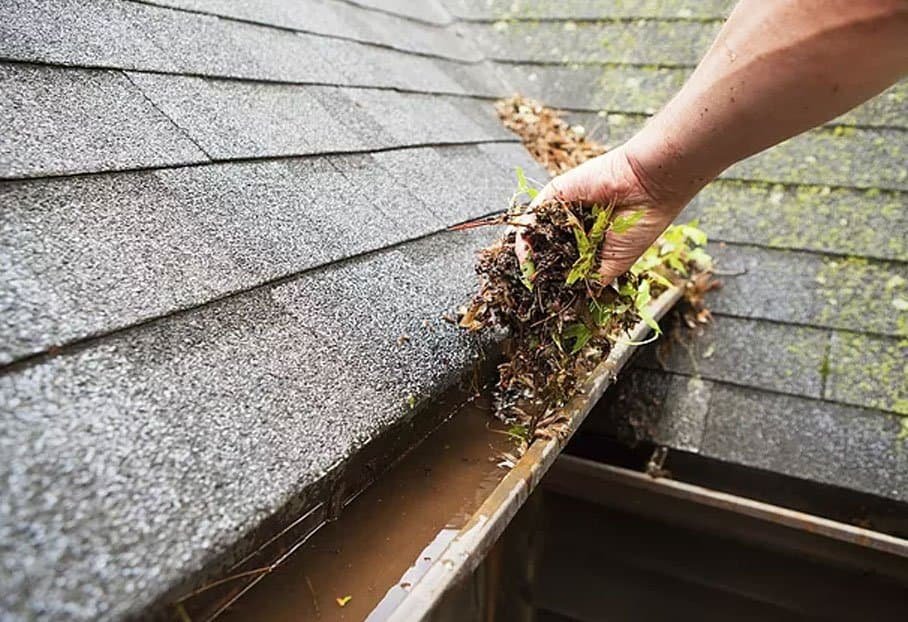
- Clear beds and hard surfaces. Leaves on sidewalks and driveways get slippery, and leaves in eavestroughs and downspouts cause their own problems during the spring melt.
- Mow last. Once the leaves are off, give the lawn its final cut so it goes into winter short and clean.
Mulching or Bagging
If you only have a light scatter of leaves, mulching them with the mower is fine. The small pieces settle into the grass and break down over time. It is a reasonable shortcut and it puts some organic matter back into the soil.
The trouble starts when the layer is thick. If you cannot see the grass through the leaves, mulching just turns them into a wet blanket of chopped leaves. In that case, rake or blow them into piles and bag them. Then take the bags to a yard waste drop off or have them hauled away.
When It Is Worth Hiring It Out
A small yard with one tree is a Saturday afternoon job, and I would tell most people to just do it. It is worth paying for help when:
- You have several mature trees and the leaves come down in waves.
- You do not have a truck or a place to take the bags.
- Time is short and the snow is coming.
- You want the whole property done in one visit, beds, edges and all.
Our fall cleanup service includes a full property leaf blowout, bagging and haul away, plus final edge cleanup. We can add fall winterizer fertilizer in the same trip, so the lawn is set for winter.
If fall gets away from you and the lawn is a mess come April, it is not too late to fix. Our post on spring cleanup in Grande Prairie walks through what that looks like.
Book Your Fall Cleanup
Do not let leaves sit under the snow all winter. If you want it handled, get a quote for your fall cleanup or call Drew at 587 818 5838. We will get your yard cleared before the snow sticks.